Resolutions vs. Intentions vs. Goals: What Entrepreneurs Get Wrong
Listen and subscribe on your favorite podcast app:
Apple Podcasts | Spotify | Pod.link / Pick Another App | Watch on YouTube
Disclaimer: Please note this post may contain affiliate links. This means I may receive a commission if clicked at no extra cost to you. Though the opinions remain my own
Watch This on YouTube:
If you’ve ever wondered whether you should focus on resolutions, intentions or goals, this episode breaks it all down in a way that actually makes sense, especially if you’re a busy entrepreneur juggling a million things.
In this episode, you’ll learn:
- Why goal setting for entrepreneurs fails when it’s built on motivation alone
- The real difference between resolutions vs intentions vs goals (and why it matters)
- How to make your goals doable, flexible, and easy to follow through
- What goal setting for business owners should actually look like
- A small shift that helps you follow through, even when life gets chaotic
By the end, you’ll have a better understanding of how to create meaningful progress without depending on perfect days, rigid routines, or overwhelming systems.
Connect with me:
Why Comparing Resolutions, Intentions, and Goals Matters
Every new year (or honestly, any fresh start) comes with a wave of motivation. You feel excited, hopeful, and ready to do things differently this time.
And then… a few weeks pass, life gets busy, and that motivation starts to fade. Sound familiar? 😅
That’s why understanding resolutions vs. intentions vs. goals actually matters more than people think. When you know how they work (and where they fall short) you can stop starting over every few months and start building progress that actually sticks.
Why Structure Makes or Breaks Progress
So many people immediately blame themselves when they fall short of a goal. They assume they weren’t motivated enough, disciplined enough, or committed enough.
But most of the time, that’s not actually the problem. What’s really getting in the way is the structure (or lack of structure) supporting that goal.
Because what you actually need is something that helps you take action even when your day doesn’t go according to plan.
Here’s what structure really means in this context:
- Turning a decision into small, realistic actions you can take on a normal day, even when things get messy
- Bridging the gap between what you care about and what realistically gets done when life is doing its thing
- Providing support for follow-through so you’re not relying on motivation, willpower, or perfect timing to carry you
Without that bridge, big statements and bold resolutions tend to fall apart pretty quickly. The focus stays on the outcome, but there’s very little support for the behaviors that get you there, or for adjusting when life inevitably throws you off course. 🙄
Related Post: Why Goals Fail: 3 Essential Beliefs You Need to Change

Understanding Resolutions, Intentions, and Goals
Before you can build progress that actually lasts, it helps to understand how resolutions, intentions, and goals each play a very different role.
They often get lumped together, but when you know what each one is (and isn’t), it becomes much easier to set yourself up for follow-through instead of frustration.
Resolutions: Why They Rarely Last
Resolutions are usually big hopes and dreams for the future, basically promises you make to yourself when motivation is high, especially at the start of a new year. They often sound inspiring and full of possibility in the moment.
The problem is that most resolutions are heavily outcome-focused and not supported by sustainable behavior. They assume you’ll stay consistent no matter what life throws your way.
So when something unexpected happens (because it always does), the resolution starts to wobble. That’s why so many people abandon them by February. They weren’t built to flex, adjust, or survive real-life disruptions.
Intentions: Connecting with Your Why
Intentions are rooted in your values. They reconnect you with why you want to change in the first place.
Maybe you want more freedom in your schedule or to be more present with your family. Those intentions matter, and they’re incredibly important.
But intentions tend to stay vague. What does “being more present” actually look like day to day? That definition is different for everyone, and without clarity, it’s hard to turn an intention into action.
While intentions help guide direction and boost motivation, they still need to be anchored to something tangible in order to stick.
Goals: Turning Intentions into Action
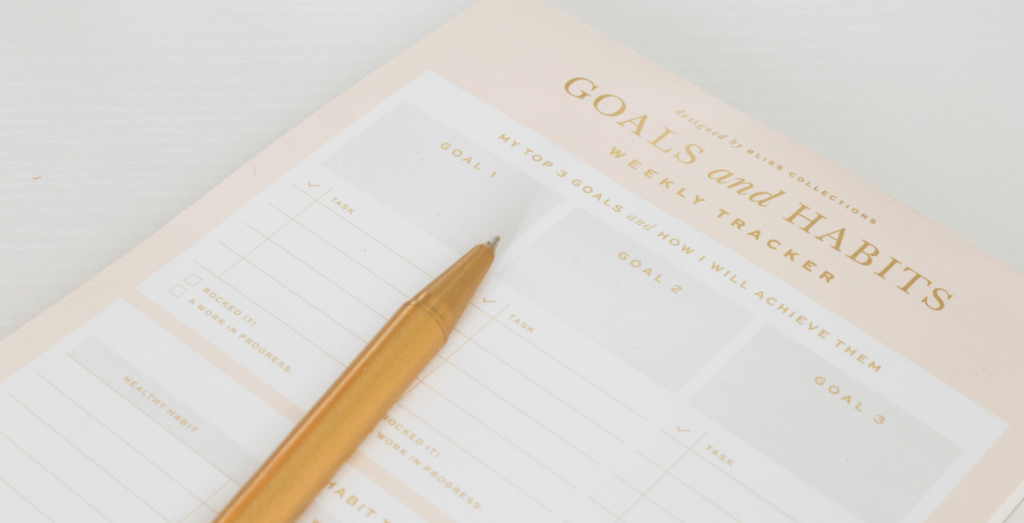
Goals are where intentions become specific, actionable, and measurable. They take abstract values and translate them into something you can actually see, track, and reflect on.
Here’s what sets effective goals apart:
- Specific: Instead of “be more present,” you define exactly what that means for you (for example, scheduling one team meeting per week)
- Actionable: The goal requires a clear action you can take, not just a feeling or outcome you’re hoping for
- Measurable: You can tell whether you followed through within a given timeframe
With the right structure in place, goals reduce decision fatigue because the choices are made ahead of time. They also create feedback, helping you see what worked and what didn’t, so missed days or setbacks become useful data, not reasons to quit.
Practical Goal-Setting for Business Owners
Once you understand how resolutions, intentions, and goals work together, the next step is making them practical enough to fit into your real life.
This is where goal-setting shifts from something that feels heavy or overwhelming into something that actually supports you week to week.
Make Your Goals Fit You, Not the Crowd
Your goals don’t have to be big, flashy, or impressive to matter. And if you’ve struggled with goals in the past, it probably wasn’t because you weren’t committed enough.
More often than not, goals fall apart because they’re too vague, too big, or not supported by a system that can handle real life.
Everyone’s journey looks different, so comparison doesn’t help here. What matters is choosing goals that are realistic for you right now, in this season, with the energy and capacity you actually have.
Pair Intentions with Micro Goals
Start by taking one intention and pairing it with a tiny, clear goal you can realistically follow through on.
🟡 Something important to point here: Small doesn’t mean insignificant, it means doable.
For example:
- Instead of “I want to be healthier,” try “Add a veggie to my lunch three days this week.”
- Swap “I want to get organized” for “Spend 10 minutes every Friday decluttering my weekly planning Trello board.”
This kind of simple structure makes consistency easier and setbacks less dramatic.
If you miss a day, treat it as information instead of failure. What happened? What needs to be adjusted? Any progress still counts, even when life doesn’t go perfectly.
Key Takeaway: Resolutions vs. Intentions vs. Goals
When you really look at it, resolutions on their own are often too rigid to last, and intentions (while meaningful) tend to float around without a clear place to land.
Goals are what tie everything together. When they’re clear, flexible, and supported by real structure, they bridge the gap between wanting change and actually following through.
And when you compare resolutions vs. intentions vs. goals, it’s the structure behind small, trackable wins that creates progress you can actually sustain.
Ready to Take Action?
This week, match one of your intentions with a tiny, trackable goal that fits your life. Don’t stress about perfection → progress is what counts.
✨ Want extra support? Try out the free weekly reset tool to build a simple structure into your week, reflect, refocus, and keep your goals actionable and clear. Give it a try and notice how much easier it becomes to keep moving forward, without burning yourself out.